
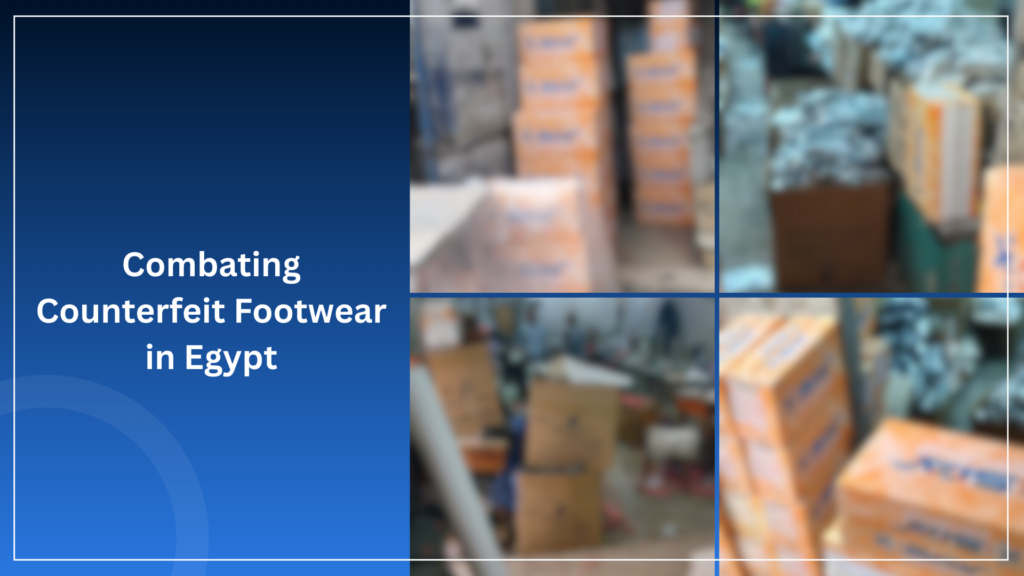
Enforcement in Action: Tackling Counterfeit Footwear in the Market
Counterfeit footwear continues to pose a significant challenge for brand owners worldwide. From athletic sneakers to everyday shoes, infringers replicate well-known trademarks and designs to introduce fake products into the market. While these items may appear convincing at first glance, they often fall far below the quality and safety standards of genuine footwear.
At Lumin IP, enforcement actions such as footwear raids play a crucial role in identifying and removing infringing goods from circulation. These operations are not random events; they are the result of a structured and carefully executed enforcement process.
The Enforcement Process
A successful raid typically begins with market monitoring and intelligence gathering. Retail locations, warehouses, and online marketplaces are reviewed to detect suspicious footwear that may be infringing registered trademarks or design rights.
Once potentially infringing products are identified, detailed verification is carried out. This includes examining elements such as logos, labels, packaging, sole patterns, stitching techniques, and product quality to determine whether the items are counterfeit.
After sufficient evidence is collected, coordination with enforcement authorities takes place. Authorities conduct the raid, seize the infringing footwear, and document the inventory according to legal procedures.
Following the seizure, the enforcement process continues through legal follow-up, which may involve penalties, legal proceedings, and the destruction of counterfeit goods to ensure they do not re-enter the market.
How Counterfeit Footwear Is Produced
Counterfeit footwear is commonly manufactured in unauthorized factories or small workshops where the primary objective is to replicate the appearance of popular brands as quickly and cheaply as possible.
Instead of using high-quality materials and controlled production standards, counterfeiters often rely on low-grade synthetic materials, weak adhesives, and poor stitching. Logos, brand names, and design features are copied to resemble genuine products, while packaging is designed to imitate the original branding.
Although these products may look similar to authentic footwear, they often lack durability, comfort, and proper safety standards. In addition to harming brand reputation, they can also mislead consumers who believe they are purchasing genuine goods.
Protecting Authentic Brands
Through coordinated enforcement efforts, Lumin IP works to safeguard intellectual property rights and support fair competition in the marketplace. Each successful raid helps prevent counterfeit products from reaching consumers and reinforces the importance of respecting trademark and design protections. By acting against counterfeit footwear, we contribute to a marketplace where authenticity, quality, and innovation are properly valued and protected.

Get in Touch
Let’s Protect Your Ideas